
What kind of deal does the market bet when Holmuz reopens
The war is coming to an end. What are the assets of profit and air?
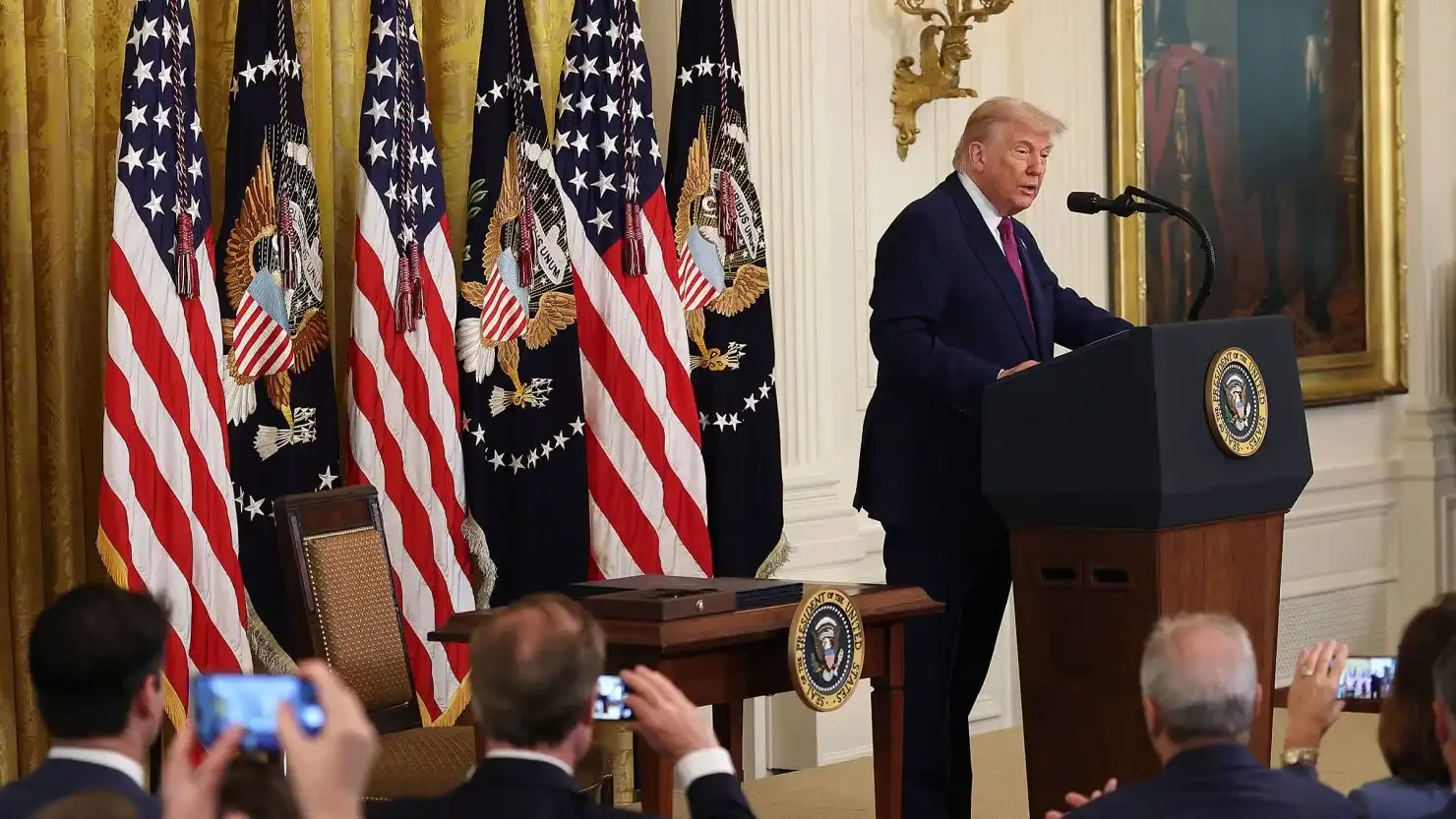
This is the 40th time that Trump said the United States-Iran agreement was to be reached。
Although what we said about Trump is largely immune, this time progress is more certain than in the past。
On June 14, Pakistani Prime Minister Sharif announced a peace agreement between the US and Iran. Trump subsequently confirmed that the maritime blockade would be lifted and Holmuze would be allowed “free passage”. The Deputy Foreign Minister of Iran also stated that the text of the agreement had been completed and that the war and military operations had ended immediately, including in the direction of Lebanon。
The Asian market opens Monday and gives the answer. In Tokyo and Seoul, the main indices went up by 5 per cent, oil prices fell by $3 per barrel, and Brent fell near $84. The logic is not complicated by the geo-prime premium that has been on energy prices for the past three and a half months, and the market is rushing away from it。
Although this is not yet a peace agreement that has landed. Key signatures were held in Switzerland on 19 June, and the understanding of the agreement between the United States and Iraq was different: the United States said that the Strait was open free of charge, and the Iranian media said that maritime traffic was coordinated between Iran and Oman and resumed under the "Iranian Arrangement" within 30 days. Israel is still beating Beirut before and after the announcement of the agreement. The nuclear issue, uranium enrichment and sanctions relief for these hard bones have all advanced behind the 60-day negotiating window。
But we can say more precisely that war conflicts have moved almost exclusively from the military dimension to the negotiating dimension。
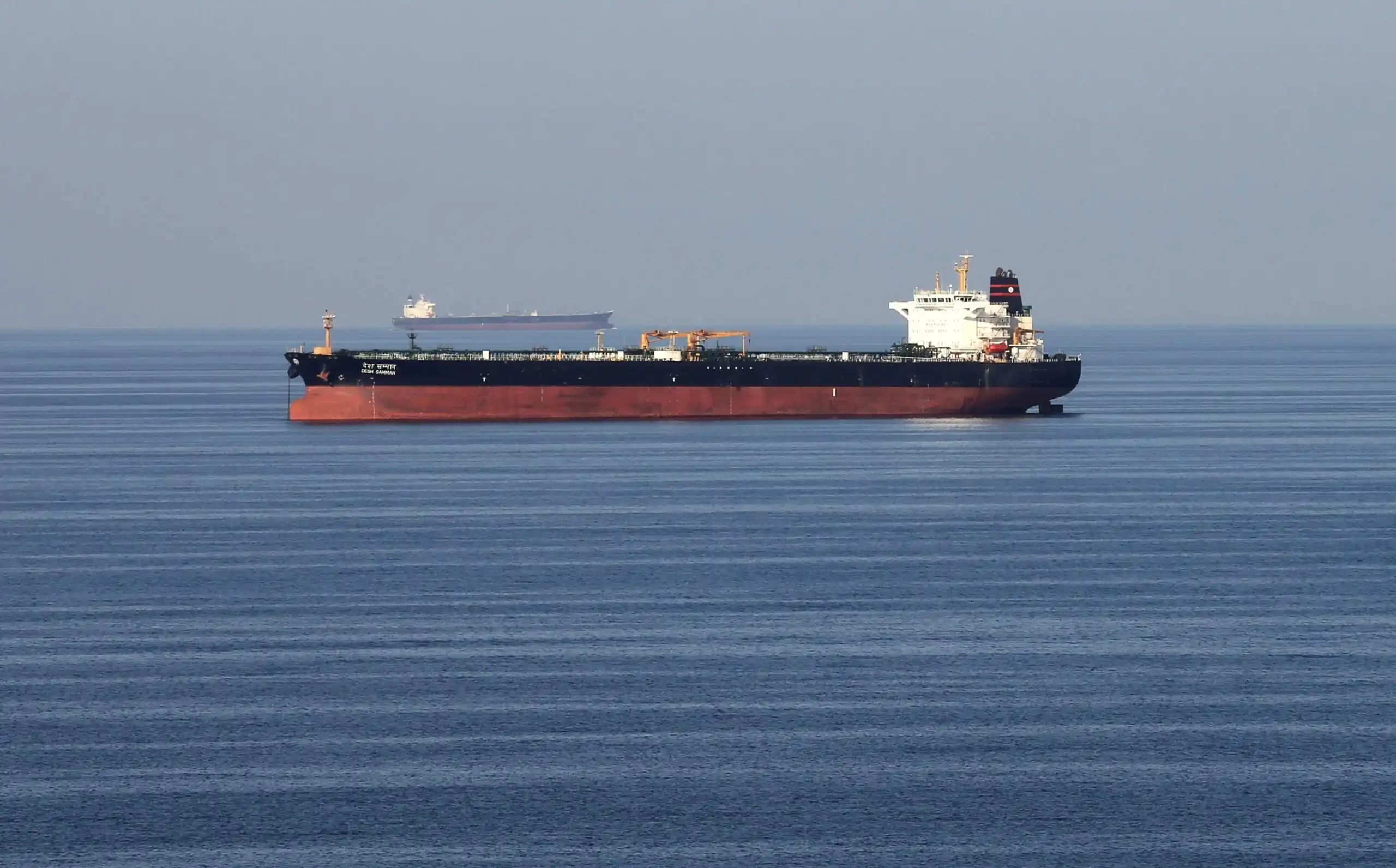
NOT TO MENTION THE IMPORTANCE OF HORMUZ. ABOUT A FIFTH OF THE WORLD'S PRE-WAR OIL AND A LOT OF LNG PASSED THROUGH THIS WATERWAY. FOLLOWING JAPAN’S ATTACK ON IRAN ON FEBRUARY 28, IRAN GRADUALLY MOVED FROM A “RISK COURSE” TO A “FACTUALLY BLOCKED ROUTE” WITH MISSILES, DRONES AND MARITIME RESTRICTIONS. OVER THE PAST THREE MONTHS, THE MARKET HAS BEEN AFRAID OF TRIPLE LOCKING: IRAN USES THE STRAIT AS LEVERAGE, THE UNITED STATES BLOCKADES IRANIAN PORTS, AND ISRAEL’S AND HEZBOLLAH’S LINES MAKE IT POLITICALLY DIFFICULT FOR IRAN TO RELAX DOMESTICALLY. ALL THREE LINES TOGETHER, NOBODY MOVES。
THE STRAIT IS NOW OFFICIALLY IN THE PROCESS OF REOPENING. AP REFERS TO THE JUDGEMENT OF ENERGY EXPERTS THAT EVEN IF THE AGREEMENT CAME INTO FORCE, THE OIL AND GAS SUPPLY COULD RETURN TO NORMAL FOR SEVERAL MONTHS AND THAT SHIPS, INSURANCE, REFINERIES, MINE CLEARANCE AND SECURITY WOULD TAKE TIME. OIL TANKERS WHO HAD PREVIOUSLY STAYED IN THE PERSIAN GULF WOULD NOT HAVE LEFT BECAUSE OF A STATEMENT, NOR WOULD INSURANCE COMPANIES AND SHIPOWNERS HAVE RETURNED THE RISK ASSUMPTION OVERNIGHT TO PRE-WAR。
What are the most important financial products that can now be traded for us investors
What is the market dealing with when the Strait is reopened
Over the past few months, crude oil, gas, shipping insurance, aviation fuel, fertilizer, inflation expectations have all been added to a Middle East risk premium. Now, if the agreement is signed as planned on 19 June and the movement of ships is gradually restored, those assets will be the first to be affected。
Some current price data reflect very quickly. Marketwatch reported that the agreement came back with an increase in futures of 350 points, a mark 500 increase of about 1 per cent and an increase of about 1.6 per cent for 100 futures. WTI broke $81 and Brent fell to about $83.5. The Axios figure is about US$ 84.21 for Brent and US petrol prices have fallen from about US$ 4.56/gallon in May to about US$ 4.07。
More specifically, what assets can we trade
First, make a risk premium for empty crude oil. The CBA Commodity Analyst Vivek Dhar, in a report quoted by WSJ, gave a judgement that if Holmuz no longer shuts down, Brent could fall back around $80 by the end of the year. His key assumption is that as long as the flow of oil in the Straits resumes to 60 to 70 per cent of pre-war oil flows, superseding non-OPEC+ supply growth and the existence of some alternative pipelines, the market could return to the soft pricing of supply. Eighty dollars. What does Brent mean? It means that the war plus the $15 to $20 premium over the last three months will be systematically squeezed out。
Second, multiple airline, cruise and tourism chains. The line is most direct when fuel costs are reduced and profit margins are restored. IATA had just cut the global air industry net profit forecast for 2026 from $41 billion to $23 billion because of the oil surge. Now oil prices fall from 90 to 100 dollars to 80 out of 80, the aviation unit is the most resilient. The targets that deserve attention include aviation ETF Jets, and DAL (Damey), UAL (United States), AAL (United States), LUV (Southwest). The cruise ship is directed at CCL (Carnival), RCL (Royal Caribbean Group), NCLH (Norway Mailer Holdings). As at 12 June, closing, DAL 83.06, UAL 115.52, AAL 14.98, LUV 45.47, CCL 29.18 and NCLH 19.43. If oil prices continue to operate at a low level before the opening of the United States stock, the aviation and cruise ship rates are probably the first places in which pre-cargo funds flow。
Third, as a multi-Asian energy importer. Japan, Korea, India and China are the direct beneficiaries of lower oil and gas prices in the Middle East. In a WSJ report, Commerzbank Research reported that the Asian currency was generally strong, with the United States dollar falling to about 159.93 against the Japanese yen, the South Korean dollar falling to about 1505.60 and the Australian dollar rising to about 0.7079. The NAB Chief Economist Sally Auld argued that the fall in oil prices had eased inflationary pressures in energy-importing countries such as Japan, and that Japan ' s 10-year debt futures had risen as a result. The trade expression can be multi-day shares, Korean shares, Indian equity, or multi-Asian importing currency and bonds。
Fourth, make long bonds and make empty inflation expectations. Declines in oil prices would directly lower the cost of petrol, aviation, logistics and some food, and would weaken the market ' s concern that central banks would continue to maintain high interest rates. TLT, US 10-year sovereign debt return, TIPS breakeven, and gold can be observed. Gold is special here: if the market believes that the re-opening of the Strait is true, the premium on gold and crude oil will fall together; if the signing fails on 19 June, both will rebound. Gold is the hedge indicator in the deal, not the directional indicator。
FIFTH, RE-PRICING OF LNG, FERTILIZER AND CHEMICAL CHAINS. QATAR LNG TAKES HORMUZ, AND THE RECOVERY OF THE STRAIT WILL REDUCE THE RISK PREMIUM FOR ASIAN AND EUROPEAN LNGS AND BENEFIT GAS COMPANIES, CHEMICAL COMPANIES AND SOME COST-SENSITIVE INDUSTRIES. THE MIDDLE EAST IS ALSO AN IMPORTANT SUPPLIER OF FERTILIZER, SUCH AS UREA, AMMONIA, AND THE RESUMPTION OF NAVIGATION MEANS THAT PRICE PRESSURE ON AGRICULTURAL INPUTS HAS DECLINED. THIS LINE IS MORE MACRO-CHAIN-ORIENTED AND BENEFITS DOWNSTREAM CHEMICAL AND AGRICULTURAL COSTS, WHICH NEED NOT FALL ON A SPECIFIC STOCK。
Polymarket's entry can be used as a "probability thermometer". The US-Iran price deal by June 30 is about 0.84, and the market gives 84% probability. Yes around 0.945. Will the U.S. invade Iran before 2027 Yes only about 0.115. Iran Nuke before 2027 about 0.0735. Will the Iranian regime fall by June 30 about 0.0065. This set of figures means that short-term agreements are highly probable to land, but long-term tail risks remain. The market is at ease, but not all in。
In the case of the US stock, a list of observations has been compiled:
FIRST TRANCHE, MOST DIRECT FUEL COST BENEFICIARIES: JETS, DAL, UAL, AAL, LUV, CCL, RCL, NCL。
IN THE SECOND TRANCHE, BENEFICIARIES OF RISK PREFERENCE REHABILITATION, IN PARTICULAR SMALL DISKS AND PERIODIC UNITS: SPY (PLATFORM 500 ETF), QQQ (NASDAK 100 ETF) AND IWM (ROSE 2000 SMALL DISK STOCK ETF)。
IN THE THIRD TRANCHE, ENTERPRISES THAT BENEFIT FROM REDUCED COSTS BUT ARE LESS RESILIENT: FDX (FEDERAL EXPRESS), UPS (JOINT PARCELS), DOW (TAWS), LYB (LEANDBANE)。
IN TURN, XOM (EXXONMOBIL), CVX (CHEVRON), SLB, HAL (HARIBURTON), XLE (ENERGY SELECTION INDUSTRY ETF) ARE MORE LIKELY TO CONTAIN THESE ENERGY UPSTREAM AND OIL SUIT SHARES IN THE SHORT TERM. THEY HAD PREVIOUSLY BEEN THE BENEFICIARIES OF HIGH OIL AND WAR PREMIUMS, WHICH HAD BEEN SQUEEZED OUT AND THEIR LOGIC HAD TO BE RECALCULATED。
Finally, risk. The worst thing about this deal is not that "oil prices have fallen", but that "the agreement has not really been implemented." Signing on 19 June, mine clearance at sea, reduced insurance rates, re-entry of shipowners and landing of the coordination mechanism between Iran and Oman are to be verified on a case-by-case basis. The most interesting signals to track are: can Brent break $80, can WTI break $78, can the airline and cruise company keep up with the increase, and can Polymarket's Iranian agreement locks remain above 80%。
If these are set up at the same time, it means that the market is changing from "war shock" to "supply recovery"。
If the oil price bounces back 88 to 90 dollars, or the Polymarket protocol is rapidly declining, the trade should be reduced。
